



Introduction
Winter is a season of cold mornings, cozy evenings, and comforting meals. However, as temperatures drop, many people forget to drink enough water because they feel less thirsty than they do during summer. This can make staying hydrated a challenge, even when the body continues to need fluids throughout the day.so we suggest you some winter foods to stay hydrated
A healthy winter diet can help you maintain proper hydration while providing essential vitamins, minerals, and nutrients. From juicy oranges and crisp apples to warm vegetable soups and soothing herbal teas, there are plenty of simple ways to increase your fluid intake during colder months.
In this article, we will explore the best winter foods for hydration, healthy drinks to include in your daily routine, common hydration mistakes to avoid, and practical tips for keeping yourself hydrated throughout winter.
Why Is Hydration Important During Winter?
Hydration is essential for maintaining normal body functions throughout the year. Water helps regulate body temperature, transport nutrients, support digestion, and maintain healthy circulation.
Although you may sweat less in cold weather, your body continues to lose water through breathing, urination, and everyday activities. Cold air and indoor heating can also contribute to moisture loss.
Some common signs of dehydration include:
- Dark yellow urine or urinating less frequently than usual.
- Dry mouth and increased thirst.
- Unusual tiredness or headaches.
- Dizziness, particularly when standing up.
These symptoms can have other causes, so they should not automatically be attributed to dehydration.
Maintaining a balanced winter foods to stay hydrated and drinking fluids regularly can help you meet your body’s hydration needs.
10 Best Winter Foods to Stay Hydrated
Eating water-rich foods is a simple way to support hydration during winter. Many fruits and vegetables also contain fiber, vitamins, and minerals that contribute to overall health. These are the 10 Best Winter Foods to Stay Hydrated
1. Oranges and Mandarins
Oranges and mandarins are popular winter fruits that contain plenty of water and provide vitamin C. Vitamin C supports normal immune function and helps the body produce collagen.
You can enjoy these fruits as a snack, add them to a fruit salad, or eat them after breakfast.
Hydration tip: Choose whole citrus fruits instead of juice more often because whole fruits provide fiber and tend to be more filling.
2. Apples
Apples are convenient, nutritious fruits that contribute water and dietary fiber to your diet. Their natural sweetness makes them an excellent alternative to sugary snacks.
Eat an apple between meals, add sliced apples to oatmeal, or combine them with other seasonal fruits.
3. Pears
Pears are another water-containing winter fruit. They provide dietary fiber and can be enjoyed fresh as a snack or added to a fruit bowl.
Pair a pear with a handful of affordable seeds or another suitable snack for a more satisfying option.
4. Carrots
Carrots are nutritious winter vegetables that provide water, fiber, and beta-carotene, which the body converts into vitamin A.
Include carrots in vegetable soup, lentil dishes, salads, or homemade stews. They are an affordable way to add more nutrients to your winter meals.
5. Spinach and Leafy Greens
Leafy vegetables such as spinach contain water and important nutrients, including folate and vitamin K.
Add spinach to lentil soup, vegetable curry, omelets, or other warm meals to increase the nutritional value of your winter diet.
6. Cucumbers
Cucumbers have a high water content and can contribute to daily fluid intake. Although they are commonly associated with summer, they can still be included in winter salads and sandwiches.
Combine cucumber with tomatoes and other vegetables for a refreshing side dish.
7. Tomatoes
Tomatoes contain water, vitamin C, and other beneficial plant compounds. They can be used in soups, curries, salads, and homemade sauces.
Adding tomatoes to everyday meals is an easy way to increase your intake of water-containing vegetables.
8. Pumpkin
Pumpkin is a nutritious winter vegetable that provides water, fiber, and beta-carotene.
Prepare pumpkin soup, roast pumpkin pieces, or add pumpkin to vegetable dishes for a warm and satisfying meal.
9. Yogurt
Yogurt contains water, protein, and calcium, making it a useful addition to a balanced winter diet.
Choose plain, unsweetened yogurt when possible. You can eat it with breakfast, combine it with fruit, or enjoy it as an afternoon snack.
10. Soups and Broths
Soups are among the most practical winter foods for hydration because they provide fluid along with other nutrients.
Vegetable soup, chicken soup, and lentil soup can all contribute to daily fluid intake. Prepare them with moderate amounts of salt and include vegetables, beans, or lean protein for a balanced meal.
Best Winter Drinks to Stay Hydrated
Along with water-rich foods, drinks are an important source of fluids. If cold water feels less appealing during winter, these alternatives can help you maintain your hydration routine. These are the Best Winter Drinks to Stay Hydrated
1. Warm Water
Warm water is a simple choice for cold mornings and chilly evenings. It hydrates the body just as effectively as cold water when consumed in a suitable amount.
Keep a reusable water bottle or insulated cup nearby to make drinking regularly easier.
2. Herbal Tea
Unsweetened herbal teas, such as ginger or peppermint tea, contribute to daily fluid intake.
They provide a comforting alternative to plain water, particularly during cold weather. Check with a healthcare professional before using medicinal herbal products if you are pregnant, take medication, or have a condition that could be affected by particular herbs.
3. Warm Lemon Water
Warm lemon water adds flavor to plain water and may make it easier to drink more throughout the day.
Lemon provides some vitamin C, but lemon water is not a special detox drink and is not necessary for hydration.
4. Milk
Milk provides fluid, protein, calcium, and other nutrients. It can be enjoyed warm or cold according to your preference.
If you avoid dairy, a fortified alternative may be suitable. Check the label because protein and calcium content vary among products.
5. Fresh Fruit Smoothies
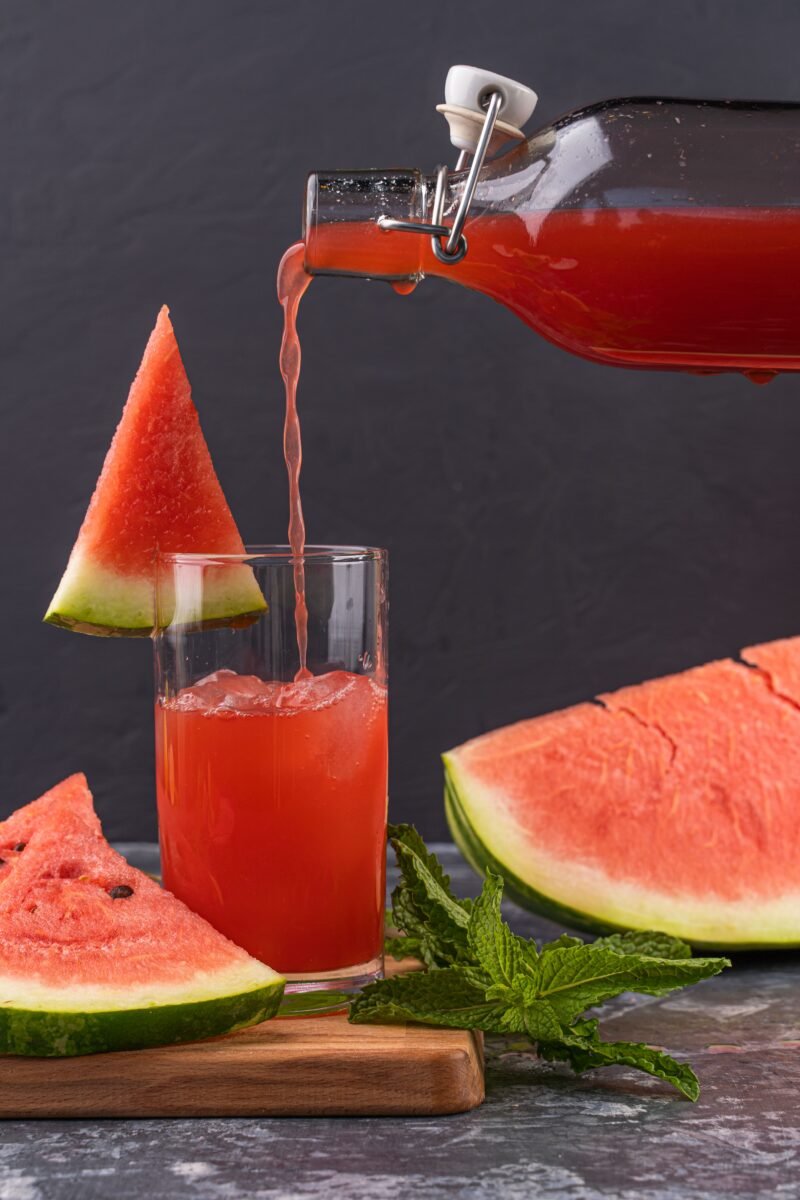
Smoothies made with whole fruit and water, milk, or an unsweetened alternative provide fluid and nutrients.
Blend a banana with milk or add seasonal fruit for variety. Avoid adding excessive sugar, syrups, or sweetened ingredients.
6. Vegetable Juice
Vegetable juice can contribute fluid and nutrients to your diet. However, whole vegetables are generally preferable because they retain more fiber.
If you choose vegetable juice, consider a low-sodium option and avoid relying on juice as your only source of hydration.
How Much Water Should You Drink During Winter?
There is no single amount of water that is appropriate for everyone. Fluid needs depend on age, body size, activity level, climate, diet, and health conditions.
A practical approach is to drink regularly throughout the day rather than waiting until you feel very thirsty. You may need additional fluids when exercising, spending time in heated indoor environments, or experiencing fever, vomiting, or diarrhea.
Remember that total water intake includes drinking water, other beverages, and moisture from food.
Pale yellow urine often indicates adequate hydration, while consistently dark yellow urine may suggest that you need more fluids. However, medications, supplements, and certain medical conditions can affect urine color.
People who have been advised to restrict fluids because of kidney, heart, or other medical conditions should follow their healthcare professional’s guidance.
A Simple Winter Diet Plan for Hydration
You can maintain a hydration-friendly diet without expensive supplements or complicated recipes through winter food to stay hydrated. The following sample plan uses everyday foods that can be adapted to your preferences and budget.
| Time | Suggested food or drink |
|---|---|
| Early morning | A glass of warm water |
| Breakfast | Oatmeal with milk and an apple |
| Mid-morning | An orange and a glass of water |
| Lunch | Lentil soup or vegetable curry with roti and water |
| Afternoon | Unsweetened herbal tea and a pear |
| Dinner | Chicken or vegetable soup with a balanced meal |
| Evening | Water if you feel thirsty |
This is a flexible example, not a medically prescribed diet. Adjust portions and choices according to your individual nutritional needs and any medical advice you have received.
7 Practical Tips to Stay Hydrated in Winter
Maintaining hydration becomes easier when it is part of your everyday routine.
1. Start your morning with water. Keep a glass of water near your breakfast area and drink when you wake up.
2. Keep water within reach. A bottle on your desk or near your study area can remind you to drink regularly.
3. Include soup in your meals. Vegetable, chicken, and lentil soups provide fluid and can make winter meals more satisfying.
4. Eat seasonal fruits. Oranges, mandarins, apples, and pears are convenient choices when available.
5. Drink regularly throughout the day. Do not rely entirely on thirst, especially when working indoors or spending time in dry environments.
6. Reduce excessive salt and added sugar. Choose less processed foods and limit heavily salted snacks and sugary beverages.
7. Adjust your intake to your activity level. Exercise and certain illnesses can increase fluid requirements, even when the weather is cold.
Small, consistent habits are generally more practical than following a strict hydration schedule.
Common Winter Hydration Mistakes to Avoid
Drinking Less Because You Feel Less Thirsty
Cold weather may reduce your awareness of thirst, but your body continues to lose fluids. Make drinking regularly a habit.
Relying Only on Hot Drinks
Tea and other warm beverages can contribute to hydration, but drinking plain water and including water-rich foods are also useful parts of a balanced routine.
Eating Too Many Salty Foods
Excessive sodium intake can affect fluid balance and is associated with higher blood pressure. Choose moderate amounts of salt when preparing soups and everyday meals.
Skipping Fruits and Vegetables
A lack of fruits and vegetables can reduce your intake of water, fiber, and important micronutrients. Include a variety of seasonal produce whenever possible.
Assuming Dehydration Happens Only in Summer
Dehydration can occur in any season. Cold weather does not eliminate the body’s need for fluids.
Frequently Asked Questions (FAQs)
What is the best winter diet for hydration?
A balanced winter diet containing fruits, vegetables, soups, yogurt, and suitable beverages can support hydration. Oranges, apples, carrots, leafy greens, and vegetable soups are practical options.
Which winter fruit is best for hydration?
Oranges, mandarins, apples, and pears all contribute water and nutrients. Citrus fruits also provide vitamin C, which supports normal immune function.
Is warm water better than cold water in winter?
Both warm and cold water hydrate effectively. Warm water may simply be more appealing in colder weather, helping some people drink regularly.
Can soup help keep you hydrated?
Yes. Soup contributes fluid and can provide vitamins, minerals, and protein, depending on its ingredients. Vegetable, chicken, and lentil soups are useful options.
Does tea count toward daily water intake?
Yes. Tea contributes to daily fluid intake. Unsweetened herbal tea is a suitable option, and caffeinated tea can also contribute fluid when consumed in moderation.
Why do I feel less thirsty in winter?
Cooler temperatures can reduce the sensation of thirst compared with hot weather. However, your body continues to lose water through breathing, urination, and other normal processes.
Can you become dehydrated in cold weather?
Yes. Dehydration can occur during winter, particularly during exercise, illness, fever, vomiting, or diarrhea, or when fluid intake is insufficient.
Is lemon water good for winter hydration?
Yes. Lemon water contributes fluid and can make water more enjoyable to drink. It is not essential for hydration and does not replace a balanced diet.
Conclusion
A healthy winter diet can help you stay hydrated even when cold weather makes you less interested in drinking water. Water-rich fruits, vegetables, soups, warm water, and unsweetened herbal teas are simple ways to support your daily fluid intake.
Focus on affordable seasonal foods, drink regularly, and adjust your intake to your activity level and individual needs. You do not need expensive products or complicated routines to maintain healthy hydration during winter.
Start with small changes today: drink a glass of water with breakfast, add a seasonal fruit to your meals, and include a nutritious soup in your weekly menu. These simple habits can help you maintain a balanced diet throughout the colder months.

